Tattoo Cream and Tattoo Numbing Spray: Why Comfort Is Becoming a Part of Modern Tattoo Culture

Getting inked used to come with a quiet expectation that pain was simply part of the deal. That thinking has shifted in recent years. Studios across the country now talk openly about how clients feel during a sitting, and many artists treat comfort as something worth planning for, instead of an ordeal to endure through gritted teeth.

Where Studio Culture Started Putting People First

Comfort Built Into The Booking: Plenty of artists now mention skin prep when a client books in for getting inked. A tattoo cream applied before the needle starts can dull the sharp first pass, which helps nervous first-timers settle. It does not remove every sensation, though it takes the edge off enough that people sit more still and breathe easier.

Topping Up Without Stopping: Longer pieces raise a different problem. Once skin is broken, creams cannot always be reapplied easily. This is where a tattoo numbing spray earns its place, since it can be misted onto open, worked skin between passes. Artists tend to like the speed of it, and clients appreciate not having to grit through the back half of a session.

What Happens Once The Spray Goes On

Reading The Active Ingredients: Most of these products lean on a topical anaesthetic such as lidocaine, which works by calming the nerve signals near the surface of the skin. The percentage matters more than people think. Lower strengths suit shorter sittings, while stronger formulas tend to be kept for broad areas or denser shading where the needle covers more ground.

Timing Makes Or Breaks It: Application timing tends to trip people up. Spray on too late and the skin has not settled. Apply far too early and the effect can fade before the work even begins. Following the timing on the label, often a short window before the session, gives the most reliable result for most people.

Patch Testing Is Worth The Wait: Skin reacts differently from one person to the next, so a small test on a discreet patch is sensible before a full application. Any redness, itching or stinging beyond the mild numb feeling is a sign to stop. A quick check the day before a session saves a lot of bother on the day itself.

The Part Most People Forget After The Studio

Healing Starts At The Door: A fresh tattoo is essentially a healing wound, and the skin barrier function stays compromised until the surface knits back together. Aftercare creams support that repair by holding in moisture and shielding the raw area from grime and bacteria. Skipping this step is where a lot of regret tends to creep in later on.

Simple Habits That Protect The Work: Good aftercare does not need to be complicated. A few steady habits across the first couple of weeks tend to do most of the heavy lifting, and they keep colours looking sharp once the skin settles. The basics below cover what matters most for healing without overloading anyone in those early days.

  • Wash gently with clean hands and a mild, fragrance-free soap
  • Apply a thin layer of aftercare cream, never a thick coat
  • Keep the area out of direct sun while it heals
  • Avoid pools, baths and heavy sweating for the first week

Walking Out Calmer Than You Walked In

Comfort has quietly become part of what people expect from a good tattoo, and the right products make that expectation realistic. Prep the skin, manage the longer sittings, then look after the work once it is done. Browse the numbing and aftercare range, read the labels closely, and book your next session feeling ready, not anxious.

Featured Image Source: https://www.numbingcream.com.au/cdn/shop/files/IMG-20231201-WA0009_1024x1024@2x.jpg?v=1701460787

Direct Household Outreach Remains One of the Most Personal Ways to Build Local Brand Awareness

Plenty of small business owners pour money into online ads and still feel invisible on their own high street. The clicks come and go, yet the local audience barely notices. That gap pushes many companies to look again at physical promotion, where a printed message lands directly in the hands of nearby residents who pass that letterbox every single day.

The Doorstep Reaches People the Feed Forgets

Reaching Homes Digital Ads Miss: A printed leaflet sent through the letterbox reaches people who scroll past adverts without a second glance. This is where local flyer distribution earns its place, putting a tangible message into homes that online targeting often fails to reach. Households read it at their own pace, which builds quiet familiarity over time.

Building Recognition One Street at a Time: Repeated presence across a postcode does something an isolated advert cannot. Steady brand exposure within a tight area means residents start to recognise a name before they ever need the service. When a plumber or takeaway is needed, the familiar leaflet on the fridge tends to win the call ahead of a stranger.

What Separates a Wasted Drop From a Campaign That Pays

Putting Money Where the Customers Actually Live: Spray and pray delivery wastes budget fast. Treated properly as direct marketing, leaflet drops work best when each area is chosen for genuine buying potential rather than convenience. A campaign sent to the wrong streets returns little, so matching the message to the right households protects the spend and lifts the return.

The Cost of Reaching the Wrong Doors: Few things sting more than seeing a print run vanish with no enquiries to show for it. Poor planning, weak targeting, or a forgettable design all drain the budget. A short conversation before printing can flag these risks early, so the money goes towards households likely to respond rather than guesswork.

Knowing the Drop Actually Happened: One worry stops many owners trying to print at all, the fear that leaflets end up in a bin rather than a letterbox. Modern delivery answers this with GPS tracker reports and back checks, so a business can see where its material went. That transparency turns a leap of faith into a measured decision.

Choosing the Plan That Fits the Street and the Budget

Matching the Method to the Goal: Different campaigns call for different delivery. Sharp geographic targeting lets a business pick whole postcodes or even specific streets and houses, depending on the goal. A solus drop sends material out alone for the strongest response, while a shared run lowers the cost for tighter budgets without losing local reach.

Picking Coverage Over Guesswork: Some businesses need a single block of streets near a new shop, while others want broad coverage across several postcodes before a busy season. Flexible delivery handles both, scaling from a focused local round to wider neighbourhood coverage as the goal shifts. The right choice depends on budget, timing, and how far the customers travel.

What a Well Planned Drop Should Cover: A handful of basics separate a campaign that works from one that quietly disappears.

  • Clear targeting of the streets where the right customers actually live
  • A simple offer that gives each household a reason to hold on to the leaflet
  • Enough volume to register across the chosen area rather than a token handful
  • Proof of delivery through tracker reports and back checks after the round
  • Honest advice on the right plan and the right areas before any budget gets committed

Turning Familiar Streets Into Steady Customers

Print still earns its keep when it reaches the right doors with a clear message and proof it arrived. For local businesses tired of paying for clicks that never call back, a planned doorstep campaign offers a grounded alternative. Get in touch with the team for a free quote and advice on the best plan for the budget.

Featured Image Source: https://media.gettyimages.com/id/1461120261/photo/woman-receiving-business-conference-pamphlet-from-receptionist.jpg?s=612×612&w=0&k=20&c=sBu1hE4ZXdvevIRo7brfJLY-A0y_hUWbSXvSuP8X7R0=

How to Choose the Right Pump for Small Fountain Setups at Home or Office

Picking a pump for a tabletop or garden fountain looks easy until the options start stacking up. Size, noise, flow strength, and running cost all matter more than first expected. A weak match leaves water barely trickling, while an overpowered one sprays past the bowl. Getting the balance right takes a little patience.

Small Spaces, Smart Water Movement

Right-Sized Power Pays Off: A well-chosen fountain pond pump keeps small water features lively, clear, and pleasant to sit beside. The correct unit moves water at a calm, steady pace that suits a modest basin perfectly. Matching pump strength to the space brings smooth movement, lower noise, and far less wasted energy over time.

Flow That Fits the Feature: The right pump for small fountain projects rewards a bit of planning around depth, basin width, and the look you want. A gentle bubbler suits a quiet desk piece, while a stronger model lifts a tiered garden display. Either way, the goal stays steady, controlled water that feels deliberate.

Dialling In Steady, Splash-Free Flow

Power Without the Mess: The flow rate of a pump sets how much water it shifts each hour, and that figure shapes the whole display. Too strong, and droplets scatter past the rim. Too weak, and the feature looks tired and flat. A model with adjustable output lets you tune the stream until it sits just right.

Movement Keeps Water Fresh: Steady water circulation stops the stagnation that breeds odours and cloudiness in still basins. Even a tiny fountain gains from constant gentle motion right across its surface. A pump that turns over the full basin, not only the middle, helps the feature stay clear and inviting for much longer between cleans.

Quiet Running and Lasting Performance

Silence Sells the Calm: A fountain meant to soothe should never hum, rattle, or buzz across a quiet room. Indoor models built with insulated motors and smooth bearings run almost unheard, which matters most in an office or bedroom. Before buying, it helps to check noise ratings, since a loud pump quickly turns relaxing water into a nuisance.

Built to Keep Going: Pump design quietly decides how long a fountain lasts and how often it needs attention. Sealed units with removable impellers are simpler to rinse, and clog-resistant intakes spare you weekly fiddling. A model made from rust-resistant parts handles damp conditions and hard water without wearing out fast, which protects the small investment.

Smart Setup Indoors: A few simple habits at installation save trouble later and keep the feature running safely. Position the pump fully submerged, never dry, and route cables away from foot traffic. The basics below cover most small indoor setups.

  • Keep the pump fully under water to stop overheating.
  • Use a socket fitted with a residual current device for safety.
  • Sit the unit on a flat, stable base, not loose gravel.
  • Tuck cables along edges, well clear of walkways.
  • Top up water often so the pump never runs dry.

A Fountain That Simply Works

The right pump turns a small fountain from a fussy chore into a quiet daily pleasure. Match the power to the basin, favour a quiet motor, and pick parts that shrug off damp and wear. Take a moment to compare sizes and ratings before buying, then choose with confidence and enjoy water that runs beautifully for years.

Featured Image Source: https://www.fountaintechpumps.com/wp-content/uploads/2022/10/fountain-tech-ft-150-i.jpg

The First Hour After Trauma Can Be the Most Important Part of Emergency Treatment

Serious injuries demand a different kind of medical attention from the first moment. Doctors describe the opening sixty minutes following major trauma as the golden hour, a window where treatment decisions often determine whether a patient recovers fully or faces lasting harm. Understanding this brief but decisive period helps families recognise the importance of immediate, specialised emergency care.

Why the Golden Hour Decides Everything

Rapid Stabilisation Saves Lives: A dedicated trauma centre provides the structured environment needed to address life-threatening injuries within those first crucial moments. Round-the-clock specialist availability, rapid imaging facilities, and integrated operating theatres allow medical teams to assess and act without delay. This concentrated approach significantly reduces preventable deaths arising from severe haemorrhage, brain injury, and traumatic shock.

Connected Care Across the Region: Major hospitals in Ranchi play a pivotal role in receiving accident victims from across surrounding districts, often functioning as the first definitive care point for severe injuries. These facilities coordinate with ambulance services, smaller clinics, and specialist consultants to ensure patients reach the right team quickly. The result is faster diagnosis and earlier intervention for severely injured individuals.

How Trauma Teams Work Against the Clock

Structured Response Protocols at Work: Modern emergency departments rely on Advanced Trauma Life Support principles to guide every action from the moment a patient arrives. This globally recognised framework ensures airway, breathing, circulation, and neurological status are checked in a precise sequence. Following these steps prevents oversights during chaotic moments and brings consistency to high-pressure clinical decisions.

Multidisciplinary Teamwork in Action: Trauma response depends on synchronised effort between several departments operating as one cohesive unit during emergencies. Coordination between specialists ensures no aspect of patient care is overlooked when seconds count, and roles overlap smoothly during resuscitation. The typical trauma team brings together professionals with complementary skills, and a standard composition usually includes:

  • Emergency physicians leading the initial assessment and triage
  • Trauma surgeons preparing for possible operative care
  • Anaesthetists managing airway and pain control
  • Radiologists interpreting urgent scans
  • Nursing staff tracking observations and recording changes

Surviving the Crash Is Only the Beginning

Continuous Monitoring Guides Recovery: After initial stabilisation, the Glasgow Coma Scale becomes an essential tool for tracking neurological progress over the following hours. Nurses and physicians repeat assessments at regular intervals, watching for subtle signs of deterioration or improvement. Such ongoing observation supports decisions about ventilation, surgery timing, and intensive care transfers, keeping the patient on the safest possible path forward.

Public Awareness Shapes Outcomes: Community knowledge about emergency response often determines how quickly an injured person reaches qualified medical hands. Bystander actions such as calling an ambulance immediately, avoiding unnecessary movement of the casualty, and applying basic first aid can preserve the golden hour. Greater awareness through driver education and workplace safety training also reduces injury severity considerably.

Preparedness Today Builds Safer Tomorrows

Trauma outcomes improve when communities, families, and medical teams act together with urgency and clarity. Recognising warning signs early, calling for help without hesitation, and trusting equipped emergency facilities all matter deeply. Anyone who witnesses or experiences an accident should seek immediate trauma evaluation at a properly equipped facility without delay.

Why Wind Turbines in Canada Need Battery Storage, and What that Means for North Bay Properties

The wind does not blow on a schedule. It surges on a cold January night, then drops by the time you reach for the kettle at breakfast. That gap, between the moment power gets made and the moment you actually need it, sits at the heart of every setup of wind turbines in Canada. A property near North Bay feels it is sharper than most. Winter here brings the strongest wind and the heaviest demand on the same day. Now picture the grid going dark during a February storm. A turbine spinning in your yard cannot promise to fill that silence on its own. Here is why.

What A Home Battery In North Bay Actually Does

A battery in North Bay holds the power your turbine makes when nobody is using it. Late at night, when output runs high and the house is asleep, that energy would otherwise vanish into nothing. The battery catches it and hands it back when you flip a switch hours later.

There is a second reason, and it matters more during a storm. A grid-tied system with no storage shuts off the instant the grid fails, for the safety of line crews working the poles. So your lights die even though your turbine still spins. A battery breaks that link and keeps the core of your home alive.

How Wind Turbines In Canada Behave Through The Seasons

Wind turbines in Canada rarely run flat out. Most sites sit at a capacity factor near 30 to 40 percent, which means the machine sends out only a third or so of its rated power across a full year.

Turbines also need the right breeze. Most start generating around 3.5 metres per second and shut down near 25 to protect themselves in a gale. A single machine can swing hard from one hour to the next, while a calm week can leave it nearly idle for days. Output tends to climb through the colder months and often peaks overnight. Your daytime use and your strongest supply do not always line up. That mismatch is the whole problem in one sentence.

Why Storage Closes The Gap For Everyday Homes

A battery sits between the wind and your wall outlet and smooths the swings. It does a few plain jobs:

  • Stores power made overnight, so you can spend it during the day.
  • Banks a surplus from one windy week for the calm stretch that follows
  • Stands ready as backup the moment the grid drops out.

Ontario adds a wrinkle worth knowing. Net metering credits the surplus you push back to the grid, then lets you draw it down later, though those credits expire after twelve months. A credit on paper keeps no lights on during an outage. A charged battery does.

What To Weigh Before You Size A System

Money belongs in this too. The federal Clean Technology Investment Tax Credit covers 30 percent of eligible battery equipment, and Ontario’s Home Renovation Savings Program adds a rebate of 300 dollars per kilowatt hour of storage, up to a set cap. Those figures shorten the payback, though they do not erase the upfront bill.

Final Word

So ask yourself a few honest questions first. How many quiet days do you need to ride out before the wind returns? Which loads have to stay on, and which can wait until morning? Your answers shape the battery far more than the turbine ever will. They also decide whether your home keeps humming when the next storm rolls in.

Featured Image Source: https://bur-oak-resources.ca/websites/bur-oak-resources.ca/images/img_1291144896_15012_1324210138_mod_221_189.jpg  

What a Portable Restroom Rental Quote Actually Covers (and Why Portable Toilet Trailer Pricing Reads Differently)

A portable restroom rental quote can look like one flat number. Most people read that number, nod, and move on. But the price hides a few moving parts, and those parts matter more than the total. Skip past them, and the final bill can sting when it comes to payment. Here is why.

A portable toilet trailer quote reads on a different scale. The unit costs more to build, more to haul, and more to keep clean through a busy weekend. So the math behind it follows its own logic. Knowing how both get priced saves you from a quote that bites back once the event ends.

What a Portable Restroom Rental Quote Includes

A basic portable restroom rental price rarely covers the unit alone. Delivery, pickup, and at least one service visit usually sit inside it. Drop a unit at a far site, and the travel climbs. Keep it on the ground longer, and the servicing count grows with it.

Most quotes fold in a handful of items:

  • Delivery and pickup, often priced by distance from town.
  •  Routine servicing, which covers pumping, cleaning, and restocking supplies.
  •  Rental length, since a weekend and a full month carry different rates.
  •  Site access, because soft ground or a tight gate slows the crew down.

Read those lines first. They tell you what the number really buys.

Why Portable Toilet Trailer Pricing Reads Differently

A trailer sits closer to a small washroom on wheels. It runs sinks, interior lighting, flushing units, and a fresh water tank. Each piece needs power or plumbing, and each one lifts the rate above a standard unit.

Then there is the haul. A trailer takes a bigger truck and a flatter, firmer spot to park and level. Setup runs longer, and the teardown does too. None of that shows up in a single headline figure, yet all of it shapes what you pay.

Hidden Costs that Catch People Off Guard

The worst surprises rarely sit in the top line. They wait in the details nobody thought to ask about.

  • Extra service visits when a crowd fills units faster than planned
  • Long carry distances when a truck cannot reach the drop spot
  • Date or count changes that shift the whole booking and its price

Picture a wedding where the units took two full days of use without a midweek service. The cleanup call on Sunday was not free. One question during booking would have caught it.

How Event Size Changes the Number

Guest count drives more than how many units you book. A crowd of 50 and a crowd of 500 need different service frequencies, and that frequency is reflected in the price. Underbook and the units fill fast. Overbook and you pay for stalls nobody uses. A careful supplier asks about headcount before quoting, not after.

How to Read a Quote Before You Sign

Ask three things before you agree to anything. Ask what the service schedule covers across the whole rental. Ask how far the travel charge reaches. Ask what a longer or busier event would add to the total.

A clear quote answers all three without a fuss. A vague one leaves them open, and open questions turn into line items you never saw coming.

A solid quote tells you what sits in the price, what falls outside it, and what a bigger event would cost. Settle those three up front, and the invoice waiting at the end holds no surprises.

Featured Image Source: https://ktportajohn.ca/wp-content/uploads/2026/02/washroom-trailer.jpg

Specifying DOCA Kitchens And Luxury Bathroom Vanities For A New Build

When you build from the ground up, the rooms you choose first are the ones you see last. DOCA kitchens and luxury bathroom vanities get locked into the plans early, long before any tile is installed. The plumber needs to know where the sink sits. The electrician needs the mirror height. So the products come first, and the build follows them.

Get these wrong, and the fix runs expensive. A vanity ordered to the wrong size means re-routing pipes inside a finished wall. A kitchen island that arrives late can stall the whole project. This is why specifying DOCA kitchens and luxury bathroom vanities early matters more than picking paint. You can repaint a wall in an afternoon. You cannot move a soil stack on a whim.

Why The Kitchen Sets The Pace

DOCA is a Spanish manufacturer that builds to order. Nothing sits on a shelf waiting for you. You get a kitchen sized to your room, with the layout and finishes you picked. That also means lead time, since a made-to-order kitchen takes weeks to produce and ship.

Here is why that matters. The kitchen dictates the rough-in. Where the cabinets land tells the plumber where to run water and waste, and tells the electrician where to set sockets and the cooker point. Order it too late, and the trades sit idle, waiting on a drawing you have not finished. Settle the design before the walls get plastered. The showroom team in Accra can produce the full layout, then hand your builder the measurements they need. No flight to Madrid to stand in a factory.

Where The Vanities Fit

Luxury vanities for bathrooms follow a similar logic. Naxani builds vanity sets in lines like Aran, Ernie, and Batz, many with LED mirrors fitted to the unit. The width of the vanity sets the plumbing center. Choose it before the walls close up. That way, the waste pipe sits under the basin, not three inches to one side, where it looks like an afterthought. A wall-hung vanity needs blocking inside the wall to carry its weight, and your builder can only add that when they know the model in advance.

Why a Genuine Product Matters

The market for “European” furniture has plenty of copies. A vanity that borrows a name. A sofa shot to look like a known brand. The piece arrives, the finish flakes within a year, and no warranty stands behind it. A genuine product comes with proof. The brands sold through Dellino hold ISO 9001 certification and ship with manufacturer warranties. That paperwork is the line between a fixture that lasts and a lookalike that fails. On a new build, you are spending real money, and you want the real thing behind the wall.

Settle the kitchen and the bathrooms early, and the trades work to a clear plan rather than a guess. A clear plan keeps surprises off the snagging list. You no longer need to board a plane to do it well. The same brands found in hotels and embassies sit in the showroom in Accra, where the team can plan the specification with you.

Featured Image Source: https://dellinoexclusive.com/cdn/shop/files/Mayscula_OrtegayGasset6_Arte027_710x.jpg?v=1776153060

The Right Mattress Topper Can Completely Change How a Bed Feels Without Replacing the Mattress

Waking up with persistent back aches or stiffness indicates that a sleeping surface is failing to provide adequate physical relief. Everyday stress increases when your body cannot relax fully during the night due to an uneven mattress. People often assume that buying an entirely new bed is the only way to resolve these irritating sleep disruptions.

Turning Restless Nights Into Deep Luxury

Expanding Your Personal Sleeping Space: Adding a substantial comfort layer alters the dynamic of a main bedroom instantly. Many individuals choose a generous mattress topper 78×72 layer to completely cover expansive double beds and remove irritating lumps from the surface. This extra cushioning balances the entire sleeping area evenly, ensuring that couples no longer roll toward the centre.

Targeting Stubborn Pressure Points: Fine tuning a bed requires materials that react predictably to human body weight and natural warmth. Incorporating a resilient latex mattress topper onto an existing base distributes body mass perfectly across the entire surface. This targeted cushioning actively reduces friction on your shoulders and hips, preventing the constant tossing and turning that ruins deep rest.

Reclaiming Full Physical Vitality Overnight

Supporting Healthy Spinal Alignment: Maintaining a neutral posture from head to toe keeps your muscles relaxed during long sleeping sessions. Medical experts always stress the importance of right support during sleep to prevent chronic lower back injuries. Proper alignment keeps the spine straight and open, which allows individuals to rest peacefully without experiencing uncomfortable morning stiffness.

Accelerating Complete Cellular Recovery: Deep sleep allows the human brain to process memories and rebuild fatigued muscle tissues after strenuous exercise. Consistent evidence shows that deep sleep helps body repair systems clear away harmful metabolic waste efficiently each evening. Softening a hard bed surface directly extends these critical recovery windows so you can wake up feeling genuinely energised.

Upgrading Comfort Layers Efficiently

Evaluating Alternative Bedding Options: Investing in premium removable layers provides a practical solution for property owners who want luxury without high costs.

  • Removable covers make routine cleaning tasks remarkably simple.
  • Advanced breathable materials prevent excessive heat retention.
  • Compact designs allow for effortless transportation between properties.

Selecting Premium Manufacturing Materials: High quality production methods ensure that your new comfort layer maintains its shape over several years. Utilizing durable polyurethane foam structures provides consistent resistance against deep body indentations and unsightly sagging. This material resilience guarantees that your sleeping environment remains perfectly flat, supportive, and completely comfortable for every season.

Achieving Perfect Nightly Restoration

Upgrading an uncomfortable bed with a precise cushioning layer shifts your daily energy levels and eliminates morning body aches. Avoiding the massive expense of a full mattress replacement allows you to achieve optimal sleep health realistically and affordably. Secure your perfect sleeping environment by choosing an expert comfort layer today to start experiencing deep physical renewal every night.

Featured Image Source: https://urbanbed.in/cdn/shop/files/MG_9382_1_f17beaab-a7a4-4a57-83d6-38249ee6d08b.jpg?v=1735556372&width=900

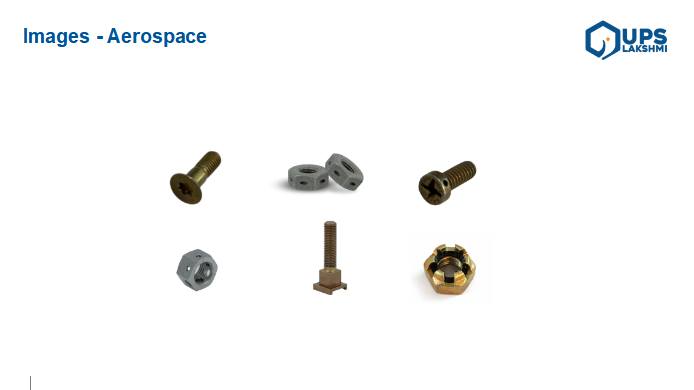
What to Know About Aerospace Fasteners Manufacturers and Aerospace Machined Components Before You Source them

Picture an aerospace machined component that holds an engine bracket in place at 35,000 feet. Now picture not knowing where it came from. That gap, the missing paper trail, is the thing that keeps procurement people up at night. It is also why sourcing in this field works differently from almost any other line of work.

Aerospace fastener manufacturers and the shops that make aerospace machined components live by the same rule. The part has to match the drawing every time, with proof attached. So before you place an order, here is what actually matters.

Start With the Certifications

The first thing to check is whether a supplier holds AS9100. It is the quality management system standard for aviation, space, and defence. The International Aerospace Quality Group developed it, and SAE International publishes it in the Americas. The current version is Revision D from 2016. A supplier without it is asking you to take their word, and on flight hardware, that is a hard thing to do.

Many fastener and machining jobs also touch special processes. Heat treating. Anodizing. Nondestructive testing. These fall under Nadcap, run by the Performance Review Institute, which audits the process itself rather than the whole company. If your part needs one of these steps, the accreditation should cover that exact process.

Ask About the First Article Inspection

Here is a step people skip and later regret. When a new or revised part runs for the first time, someone should pull one off the line and check every feature against the drawing. The standard for this is AS9102, the first article inspection requirement from SAE. The latest revision, AS9102C, arrived in 2023 and now allows checks against digital CAD models. 

For aerospace machined components, especially, this catches a setup error before it becomes a hundred scrap parts. Ask to see a sample report. A good shop hands one over without flinching.

Materials and Tolerances Are Not Negotiable

Parts in this field run on demanding materials. Titanium. A286. Inconel. Aluminium alloys with tight tempers. None of it is cheap, and substitution is a real risk lower down the supply chain.

Two things to confirm:

  • Full material traceability, from mill certificate to finished part
  • Counterfeit part controls, which AS9100 Rev D added for good reason

Tolerances matter just as much. A thread a few thousandths of an inch off, or a bore slightly out of round, can fail under load. Reputable aerospace fastener manufacturers measure and document. They do not eyeball.

Questions Worth Asking Before You Commit

You do not need to be an engineer to vet a supplier. You need to ask plainly:

  • Is the AS9100 certificate current, and does it cover your part type?
  • Are the special processes for your job Nadcap accredited?
  • Will they send FAI reports and material certs with the shipment?
  • What happens when a part fails inspection on their end?

That last question tells you a lot. A supplier with a clear answer has been through it before. One who fumbles, well, you can guess.

Sourcing here is slower than ordering hardware off a shelf. It should be. The cost of getting it wrong is not measured in dollars alone. Pick partners who treat the paperwork as part of the process, not a chore, and most of the risk takes care of itself.

Featured Image Source: https://sp-ao.shortpixel.ai/client/to_auto,q_glossy,ret_img/https://upsind.com/wp-content/uploads/2025/01/aerospace-components-manufacturer.jpg

How a Plumber in Dursley Can Help Improve Your Home’s Water Pressure

Low water pressure is one of those problems that people learn to live with rather than fix. The shower that never quite feels strong enough. The hot tap that takes a long time to fill a bowl. The washing machine that runs longer than it should because it is filling slowly. Each of these inconveniences is accepted as normal until someone mentions that their own house does not work this way, and then the frustration arrives all at once.

A qualified plumber in Dursley can diagnose the cause of low water pressure and, in most cases, improve it. The right solution depends on what is actually causing the problem, and the causes vary more than most homeowners realise. This guide covers the most common reasons for low pressure in Dursley properties, the options available to address each one, and what the process of diagnosis and improvement looks like in practice.

Understanding Water Pressure: What Is Normal and What Is Not

Water pressure in the UK is measured in bars. Severn Trent Water, which supplies the Dursley area, is required by law to maintain a minimum mains pressure of 0.7 bar at the point where the supply enters a property. In practice, most properties receive between 1 and 3 bars at the mains connection. What arrives at individual taps and showers depends on the internal plumbing system from that point.

Normal operating pressure for a combi boiler or mains-fed shower is typically between 1 and 1.5 bar. Gravity-fed systems, which use a cold water cistern in the loft to supply pressure by height difference, deliver lower pressures, often between 0.1 and 0.3 bar depending on the height of the cistern above the outlets. A gravity-fed shower that feels weak may be performing normally for its system type, rather than indicating a fault.

Common Causes of Low Water Pressure That a Plumber Can Fix

Let’s break down the most frequent causes and what can be done about each.

Partially Closed Isolation Valves or Stopcocks

A stopcock or isolation valve that is not fully open restricts flow through the supply. This is more common than it sounds. A valve that was partially closed during a previous repair and never fully reopened, or one that has stiffened with age and cannot be turned to the fully open position, can significantly reduce pressure throughout the property. A plumber will check all accessible valves as part of a pressure investigation and replace any that cannot be operated correctly.

Faulty or Incorrectly Set Pressure Reducing Valve

Many properties have a pressure reducing valve, or PRV, fitted on the incoming supply to protect internal pipework and appliances from high mains pressure. A PRV that is set too low reduces pressure throughout the property. One that has failed may restrict flow even if the set point appears correct. Adjusting or replacing a PRV is a straightforward job for a qualified plumber and can produce a noticeable improvement in pressure at relatively low cost.

Limescale Accumulation in Supply Pipes

In areas with moderately hard water, internal limescale in hot water supply pipes reduces the effective bore over time. Flow rate drops gradually, which is easy to miss as you adapt to the change. A plumber can assess the likely extent of scale accumulation based on the age of the pipework and the local water hardness, and advise on whether descaling or partial pipe replacement is the more practical option for the specific installation.

Undersized Supply Pipework

Older properties were sometimes plumbed with 15mm supply pipes throughout when current practice would use 22mm for main runs. An undersized pipe can supply one outlet adequately but struggles when two or more outlets run simultaneously. Pressure drops noticeably when the shower runs while a tap is on elsewhere. Upgrading specific sections to larger bore pipework addresses this at the points where demand is highest.

Pump Solutions: When and How a Plumber in Dursley Can Install One

Where the mains supply pressure is adequate but the internal system cannot deliver it at the outlets, a pump can make a meaningful difference. There are two main types: shower pumps and whole-house booster pumps.

A shower pump fits on the gravity-fed supply to the shower and boosts the flow at that specific outlet. These are relatively inexpensive, fitting between £150 and £400 installed, and work well where the shower is the primary low-pressure complaint. They require a gravity-fed hot and cold supply to work correctly. They cannot boost pressure from a mains-fed system or from a combi boiler supply.

A whole-house booster pump fits on the incoming mains supply and increases pressure throughout the property. These are more expensive, from £400 to £1,000 installed depending on the unit, and are subject to Water Regulations. Severn Trent and other water suppliers have rules about what can be connected to the mains supply. A qualified plumber in Dursley will advise on whether the intended installation meets those requirements before proceeding.

What to Expect from a Water Pressure Assessment

A plumber assessing water pressure in your home will follow a structured process. Here is roughly what that involves:

  • Measuring mains pressure at the incoming supply point using a pressure gauge
  • Checking the condition and position of the main stopcock and any isolation valves
  • Measuring flow rate and pressure at individual outlets, including taps and showers on both hot and cold supplies
  • Identifying where the largest pressure drops occur between the supply point and the outlets
  • Assessing the system type, mains-fed combi, gravity-fed, or unvented cylinder, to understand what improvements are possible
  • Advising on whether the cause is the mains supply, the internal system, or a specific component

A written report of findings with costed options is worth requesting before committing to any work. Some pressure problems have inexpensive solutions. Others require more involved work. Understanding the options and their costs before starting means you make an informed decision rather than agreeing to the first remedy suggested.

Frequently Asked Questions

What is the minimum water pressure Severn Trent must supply in Dursley?

Severn Trent Water is required by law to maintain a minimum supply pressure of 0.7 bar at the point of connection to your property. If your mains pressure is consistently below this level, you can report it to Severn Trent. 

Can I install a booster pump myself?

Fitting a pump connected to the mains supply requires notification to your water supplier under the Water Supply (Water Fittings) Regulations 1999 and must be carried out using approved fittings and methods. A qualified plumber will handle this correctly. Incorrect installation can result in contamination of the supply and enforcement action by the water supplier. 

Why does my water pressure drop when a tap is running elsewhere?

Pressure drops when multiple outlets run simultaneously typically point to undersized supply pipework, a partially closed valve, or a PRV set too low for the demand placed on the system. A plumber can measure flow at multiple points to identify where the restriction lies and advise on the most cost-effective remedy.

How much does a water pressure improvement typically cost in Dursley?

Costs vary considerably by cause and solution. Adjusting a PRV costs £80 to £150. Fitting a shower pump runs from £150 to £400 installed. Replacing a section of undersized pipework depends on the length and access conditions but typically falls between £200 and £600. A whole-house booster pump installation ranges from £400 to £1,000. A plumber’s assessment, which typically costs £80 to £150, is worthwhile before committing to a solution.

Does low water pressure affect my boiler?

A combi boiler requires adequate system pressure to function correctly. Most combi boilers need between 1 and 1.5 bar of system pressure. If the boiler pressure drops repeatedly, the cause is usually an internal system issue such as a leak or a failing expansion vessel rather than the mains supply pressure. A Gas Safe registered engineer should diagnose boiler pressure problems rather than a general plumber adjusting the filling loop without identifying the underlying cause.

Featured Image Source: https://pixabay.com/photos/faucet-sink-bathroom-metal-8372443

Cargo Tracking Company vs In-House Logistics Tracking System

Picking between a third-party cargo tracking company and a homegrown logistics tracking system is one of those calls that looks straightforward until you sit down and price it out. Then the real questions start.

You want visibility. Your shippers want proof. Your insurers want data. The question is who builds the system that carries all that information back to your operations team.

The In-House Route Looks Cheaper Than It Is

Setting up your own logistics tracking system sounds like the smarter move in theory. It’s your own software. Your own data. No service providers, no tracker costs, no hassling over service contracts.

And then there’s the harsh truth.

You’re going to need hardware engineers to work with cellular modems and batteries. You’ll need firmware developers. You’ll need backend programmers to do ingestion, storage, and alerts. You might even want a cloud architecture engineer, too. And don’t forget about speaking with airlines regarding IATA certifications, a lengthy process in its own right.

Most logistics departments underappreciate the multimodal aspect. What works for your trucker can suddenly drop out when you reach the deep water terminal. The transition between shipping by sea and air adds even more complexity. Every additional mode brings yet more work from engineers that no one anticipated.

What a Cargo Tracking Company Actually Brings

A cargo tracking company has already paid those bills. The hardware is certified. The firmware is tested across thousands of shipments. Carrier agreements are in place. You plug into a working system and start getting data the same week you sign.

There is also the question of what happens when something breaks at sea. With an in-house build, that is your problem. With a third party, the support chain already exists.

Here’s what you usually get from the box:

  • Live tracking for any mode of transport: sea, air, rail, or road.
  • Monitoring for environmental conditions such as temperature, humidity, vibration, and tampering.
  • Ready-made dashboards along with an API to integrate into your existing system.
  • Reverse logistics managed by the vendor itself, not your warehouse crew.

The Cost Picture, Honestly

In-house feels free until year two. Then you start counting engineer salaries, firmware updates, and certification renewals. Add the cost of rebuilding parts that broke when 5G coverage shifted in your main shipping corridor.

Third-party pricing distributes that cost to all users of the system. You pay per parcel or per tracking number, and the system gets better even if you don’t ask it to.

It’s a question of control. There will be some features you can never tweak on demand. But most operations teams only care about the data, not the code base.

How to Decide

Ask three questions before you commit either way. How many shipments are you tracking per year? How fast do you need accurate data? And do you have the engineering team to support a bespoke build for the next decade?

If the answers point towards high volume and a lean tech team, a managed service is the safer route. If you have specialist needs and the budget to match, in-house can work.

The right answer is usually the one that gets your cargo visible the quickest, with the fewest moving parts to maintain.

Featured Image Source: https://media.istockphoto.com/id/1459342093/photo/business-logistics-technology-concept.jpg?b=1&s=612×612&w=0&k=20&c=fJblrtP7dasGRE2YukypJ4mdjGC2vUC8UV3faA-ZNv8=  

Hair Ties Scrunchies: A Smarter Choice for Your Hair and the Planet

Most women keep a drawer full of hair ties scrunchies. Some stretch out. Others snap. Most get tossed and replaced within weeks. Here is the part rarely discussed: what those small plastic accessories might actually do to your scalp and your strands.

What Is Actually in That Drugstore Hair Tie

Walk into any drugstore. The hair tie aisle stocks synthetic rubber wrapped in polyester or nylon. Goody and Scunci sit on the same shelf. They feel cheap because they are. And cheap plastic breaks down into something smaller, then smaller still.

Here is why that matters

Every time you stretch a plastic hair tie, microscopic fibers shed. Those particles settle on your scalp, your pillow, even your morning coffee. Research published in Environment International has linked microplastic exposure to inflammation and hormonal disruption. Your hair tie is small. The steady contact builds up over years of daily use.

The Heavy Metal Side Nobody Talks About

Heavy metals are another quiet concern. Dyes in cheap synthetic hair ties scrunchies can carry trace lead or cadmium. You will not see it on the label. There rarely is one to begin with. Federal testing on hair accessories sits in a regulatory gray zone. That is exactly why most drugstore brands stay quiet about what really goes into the elastic.

There is the hair damage side of it, too. Plastic ties grip hard and pull tight against the same spot on your hair shaft. Over months, that pressure shows up as thinning ends and a fuzzy halo of breakage around your hairline. Hair loss specialists call it traction breakage. You probably just call it annoying.

So What Do You Actually Need?

So what do you actually need on your wrist or in your hair?

Something that holds without crumbling into plastic dust against your skin. Something safe enough to wear every day without thinking twice.

The Pineapple Difference

Ciao Bella took a different route. The Hair Halo™ is built around an organic pineapple fiber blend, with a soft cotton and natural rubber core. The pineapple comes from leaves left behind after harvest, which would otherwise rot in the field. Nothing synthetic touches your scalp. Nothing leaches into your strands.

That single shift, plastic out, plant fiber in, changes the conversation:

  • No microplastic shedding against your skin or pillow
  • No mystery dyes or heavy metal residue near your scalp
  • Sweat-activated grip that tightens when you move
  • No creases or dents at the tension point
  • One tie that lasts close to a year with regular care

Compare that to the 20-pack of plastic ties you finish in a month. The price tag looks higher at first glance. The math evens out fast.

A Small Swap With a Bigger Ripple

Ciao Bella also gives 5% of proceeds to the Surfrider Foundation, which is currently supporting the Tijuana sewage crisis cleanup along the southern California coast.

The swap is small. The ripple is not.

If you have been quietly suspicious about those cheap plastic ties piling up in your bag and bathroom, that instinct is worth listening to. Better hair ties, less waste. Maybe it really is that simple.

Pre-order yours at ciaobellacollective.com.

Featured Image Source: https://ciaobellacollective.com/cdn/shop/files/Plastic_Free_Hair_Ties.png?v=1777980092&width=1000 

Family Lawyers North Bay Ontario and North Bay Criminal Lawyer: Understanding Your Legal Options

Legal problems can be stressful, especially when it’s your family, your future, your finances, or even your personal freedom at stake. When you are in a situation of separation, those child custody anxieties, or you’re facing criminal charges, you really need a professional to step in and help you navigate the complexity at hand. In North Bay, Ontario, both family lawyers and criminal lawyers play a critical role. They assist people in figuring out what they can actually do, and they walk you through those messy, confusing legal routes, piece by piece.

When You May Need Family Lawyers in North Bay Ontario

Family law addresses legal matters arising in relationships, including those involving children and financial responsibilities. Most of the time, it’s emotional, so you end up needing careful decisions as well as legal guidance from family lawyers North Bay Ontario.  

Family lawyers North Bay Ontario help people when they transition into a rigmarole, while still protecting their legal interests and peace of mind. Their day-to-day work often includes divorce proceedings, separation agreements, child custody arrangements, parenting schedules, child support, spousal support, and property division, depending on the circumstances.  

A family lawyer can also support legal planning through marriage contracts and cohabitation agreements. Those documents lay out expectations and, in a practical way, can prevent disputes later on.  

A lot of family matters are resolved through negotiation or mediation rather than through actual court proceedings. If you have legal representation, it helps ensure any deal is fair, enforceable and compliant with provincial family law requirements, without you getting blindsided.

Understanding the Role of a North Bay Criminal Lawyer

Criminal law applies when a person is accused of committing a crime. When criminal charges are filed, the consequences can be really serious, so having legal representation is pretty important.  

A North Bay criminal lawyer helps people dealing with allegations and works to ensure the client’s legal rights remain protected throughout the entire process, not just at the beginning.  

The North Bay criminal lawyer might be involved with impaired driving charges, assault allegations, theft-related offences and also fraud cases, in addition to drug-related matters and other criminal accusations that come up out of nowhere.  

Their job usually includes reviewing the evidence, developing a legal strategy, negotiating a better outcome when appropriate, and representing clients in hearings or trials.

Why Early Legal Guidance Matters

One of the biggest mistakes people make is delaying legal advice. Whether the problem is tied to family law or criminal law, getting early consultation can help with preparation and reduce unnecessary complications that arise later. Sometimes people think they can handle it until it gets more complicated, and by then the clock is louder.  

Legal professionals help clients get a grasp on timelines, what documents are needed, the likely outcomes, and which pathways are available before a big call is made. It’s not just paperwork , but also making sure you don’t ignore something little that turns into a major headache later.  

Choosing a lawyer who has relevant experience, communicates efficiently, and understands how the local courts actually run can genuinely change the situation, especially during those tense moments when you really need some steadiness.

Final Thoughts

If you’re looking for a family lawyer in North Bay, Ontario, or you need backup from a North Bay criminal lawyer, getting legal guidance can help you deal with those rough moments with more assurance. Legal issues can feel enormous all at once, but when your choices are informed, and you have the right representation, things don’t stay so tangled, and you can spot a clearer path forward.

Featured Image Source: https://pixabay.com/photos/gavel-auction-law-hammer-symbol-2492011/

What Adelaide Drink Brands Should Know About Sticker Printing and Beverage Labels

Adelaide has quietly turned into one of the country’s busiest drink-making hubs. Wineries spill out of the Adelaide Hills. Craft breweries keep popping up across the suburbs. Distilleries, kombucha makers, cold brew roasters, the list keeps growing. And every one of them needs a label that survives the fridge, the ice bucket, and the trip home in a hot car. That last part is where a lot of new brands get caught out, which is exactly why sticker printing in Adelaide has become such an active corner of the local supply chain.

Why the Label Matters More Than People Think

Walk into any bottle shop in Adelaide, and you are looking at maybe two hundred drinks competing for the same glance. Shoppers are not reading. They are scanning. The label has roughly three seconds to do its job, perhaps less. That short window is the real reason sticker printing in Adelaide gets so much attention from drink brands. The label is doing the heavy lifting before anyone even reads the name.

A poorly chosen sticker can ruin all of that. Cheap paper labels start curling in the chiller. Ink fades after a week in the sun. Adhesive lifts at the edges, and suddenly the bottle looks tired before anyone has even tasted what is inside.

For a small drink brand, that is not a minor issue. It is the difference between a repeat customer and someone who quietly picks the bottle next to yours.

Sticker Printing in Adelaide: What Actually Matters

When ordering sticker printing for beverage labels, there are a few things worth getting right early.

  • Material choice. Synthetic films like polypropylene handle moisture, ice baths, and humidity far better than standard paper.
  • Finish. Gloss tends to suit clean, modern drink branding. Matte works well for premium spirits and craft beers going for a more grounded look.
  • Adhesive. Wet bottles need a wet-strength adhesive. This is not optional for anything sitting for prolonged periods in ice .
  • Print clarity. Small text on ingredient panels and compliance details must stay sharp, even at small sizes.

Paper labels can still work well for boxed gift sets, dry-stored beverages, and some wine bottles, including those occasionally exposed to moisture or ice buckets when the right materials and finishes are used. However, for products regularly exposed to water, condensation, or refrigeration, synthetic labels are often the more durable and reliable option.

The Compliance Side Nobody Loves Talking About

Australian drink labels carry rules. Standard drinks, allergens, country of origin, volume, producer details. The Food Standards Australia New Zealand code spells most of it out, and alcohol carries extra requirements on top.

You do not need to memorise all of it. You do need to make sure your label has space for it without crowding the design. A surprising number of brands realise this only after the first print run, which is a frustrating way to learn.

A Few Last Pointers Worth Keeping

Adelaide drink brands have an advantage that brands in bigger cities sometimes miss. The community here actually pays attention to small producers. People want to support the local cider maker, the suburban distillery, the new gin label out of Port Adelaide.

A good sticker will not save a bad drink. But a bad sticker can absolutely sink a good one. Pick materials that handle moisture, design for shelf scanning, leave room for compliance, and treat the label as part of the product rather than something tacked on at the end.

That mindset shift is usually what separates the brands that grow from the ones that fade after their first hundred bottles.

Featured Image Source: https://drive.google.com/drive/folders/1B-U_4yx5T6zX_mibeEejq5AQkO6O_cJi  

The Future of Adventure Travel Is More Private, Flexible, and Experience-Focused

Travel preferences have shifted. Travelers heading to Cusco and the Andean highlands are no longer looking for itineraries that move an entire group at the same pace. They want flexibility, privacy, and the kind of moments that feel personally earned. That shift is pushing tour operators to rethink how they design experiences across the region.

Where the Landscape Rewards the Patient Traveler

A Shorter Route Designed Around Your Schedule: Booking a Machu Picchu 2 day hike through a private, expert-led tour gives you direct access to the most iconic stretch of trail, structured around a focused itinerary tailored entirely to your pace. The route moves through cloud forest and along ancient stone paths, delivering the full emotional weight of the citadel without demanding a full week away from your life.

Personal Attention From the First Step: Booking Inca trail tours through a dedicated private team means your guide focuses entirely on your group, slowing down at significant sites and going deeper on the history and culture behind them. That level of personal attention is what separates a structured, expert-led trek from a crowded group experience where depth gets traded for logistics.

What Separates a Good Trip From a Great One

The Details That Define Your Journey: The quality of guest experience on any Andean trek depends heavily on preparation and consistent support. Operators who assign the same guide and driver throughout a multi-day itinerary remove a friction point that most travelers never anticipate before they arrive. That continuity builds trust and changes how much you actually absorb from the experience.

What a Great Guide Actually Does: Understanding the importance of hiking guide selection becomes clear the moment you step onto a high-altitude trail with someone who genuinely knows it. A skilled guide reads conditions, adjusts pace, and translates centuries of Andean history into context that stays with you long after the trip ends. On routes like Salkantay or the classic Inca Trail, that depth of knowledge turns a physical challenge into something genuinely worthwhile.

Why Private Travel Is the Smarter Choice

Private Travel Brings Real Flexibility: Private itineraries give you control over timing and priorities in a way that group tours simply cannot match. If you want to linger at Ollantaytambo or take a different viewpoint at Machu Picchu, a private arrangement allows that. Customization is not an add-on feature. It is the foundation of how the best Peru itineraries are actually built for real travelers.

What Travelers Are Choosing Today:

  • Private transportation between key sites without shared shuttles
  • Accommodation tiers from best value to full luxury, chosen at booking
  • Flexible daily schedules that accommodate personal pace and detours
  • Guides with deep cultural and historical knowledge of the Andean region
  • Pre-trip communication that helps travelers prepare thoroughly before departure

Planning an Experience Worth the Journey

Matching the Trip to the Traveler: Not every traveler wants the same version of Peru. Some are chasing the four-day Inca Trail with sunrise at the Sun Gate. Others want a shorter trek followed by Sacred Valley time and a rest day in Cusco. Knowing those priorities before booking is how a good operator builds something that fits, rather than filling a standard slot.

The Value of a Customizable Itinerary: Multi-day tours that combine Machu Picchu, Rainbow Mountain, and Sacred Valley into a single trip offer real logistical value. The planning is handled upfront, the routing makes geographic sense, and you arrive at each site without the stress of figuring out transit on the day. That kind of structure actually creates more freedom, not less.

The Trip You Plan Today Becomes the Story You Tell for Years

A private, experience-led journey through Peru rewards travelers who plan carefully and choose operators who take the details seriously. The landscapes are extraordinary on their own. The right guide and itinerary make them unforgettable. Ready to start planning? Reach out via WhatsApp or the website contact form to build an itinerary that fits your dates, your pace, and the experience you are after.

Featured Image Source: https://altitude-peru.com/wp-content/uploads/2024/11/391160231_353377267220000_4032308403337658855_n.jpg