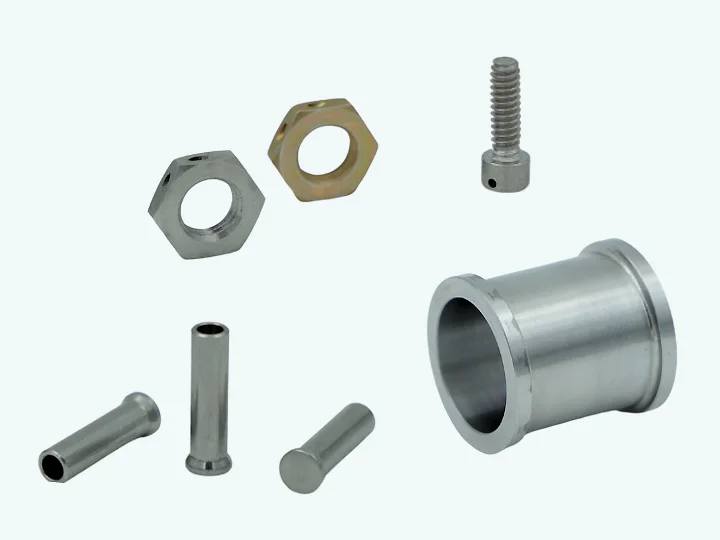
Picture an aerospace machined component that holds an engine bracket in place at 35,000 feet. Now picture not knowing where it came from. That gap, the missing paper trail, is the thing that keeps procurement people up at night. It is also why sourcing in this field works differently from almost any other line of work.
Aerospace fastener manufacturers and the shops that make aerospace machined components live by the same rule. The part has to match the drawing every time, with proof attached. So before you place an order, here is what actually matters.
Start With the Certifications
The first thing to check is whether a supplier holds AS9100. It is the quality management system standard for aviation, space, and defence. The International Aerospace Quality Group developed it, and SAE International publishes it in the Americas. The current version is Revision D from 2016. A supplier without it is asking you to take their word, and on flight hardware, that is a hard thing to do.
Many fastener and machining jobs also touch special processes. Heat treating. Anodizing. Nondestructive testing. These fall under Nadcap, run by the Performance Review Institute, which audits the process itself rather than the whole company. If your part needs one of these steps, the accreditation should cover that exact process.
Ask About the First Article Inspection
Here is a step people skip and later regret. When a new or revised part runs for the first time, someone should pull one off the line and check every feature against the drawing. The standard for this is AS9102, the first article inspection requirement from SAE. The latest revision, AS9102C, arrived in 2023 and now allows checks against digital CAD models.
For aerospace machined components, especially, this catches a setup error before it becomes a hundred scrap parts. Ask to see a sample report. A good shop hands one over without flinching.
Materials and Tolerances Are Not Negotiable
Parts in this field run on demanding materials. Titanium. A286. Inconel. Aluminium alloys with tight tempers. None of it is cheap, and substitution is a real risk lower down the supply chain.
Two things to confirm:
- Full material traceability, from mill certificate to finished part
- Counterfeit part controls, which AS9100 Rev D added for good reason
Tolerances matter just as much. A thread a few thousandths of an inch off, or a bore slightly out of round, can fail under load. Reputable aerospace fastener manufacturers measure and document. They do not eyeball.
Questions Worth Asking Before You Commit
You do not need to be an engineer to vet a supplier. You need to ask plainly:
- Is the AS9100 certificate current, and does it cover your part type?
- Are the special processes for your job Nadcap accredited?
- Will they send FAI reports and material certs with the shipment?
- What happens when a part fails inspection on their end?
That last question tells you a lot. A supplier with a clear answer has been through it before. One who fumbles, well, you can guess.
Sourcing here is slower than ordering hardware off a shelf. It should be. The cost of getting it wrong is not measured in dollars alone. Pick partners who treat the paperwork as part of the process, not a chore, and most of the risk takes care of itself.
Featured Image Source: https://sp-ao.shortpixel.ai/client/to_auto,q_glossy,ret_img/https://upsind.com/wp-content/uploads/2025/01/aerospace-components-manufacturer.jpg