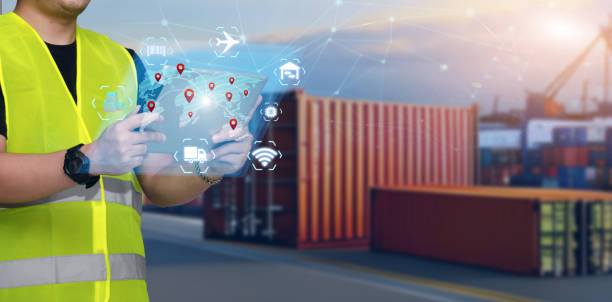
Picking between a third-party cargo tracking company and a homegrown logistics tracking system is one of those calls that looks straightforward until you sit down and price it out. Then the real questions start.
You want visibility. Your shippers want proof. Your insurers want data. The question is who builds the system that carries all that information back to your operations team.
The In-House Route Looks Cheaper Than It Is
Setting up your own logistics tracking system sounds like the smarter move in theory. It’s your own software. Your own data. No service providers, no tracker costs, no hassling over service contracts.
And then there’s the harsh truth.
You’re going to need hardware engineers to work with cellular modems and batteries. You’ll need firmware developers. You’ll need backend programmers to do ingestion, storage, and alerts. You might even want a cloud architecture engineer, too. And don’t forget about speaking with airlines regarding IATA certifications, a lengthy process in its own right.
Most logistics departments underappreciate the multimodal aspect. What works for your trucker can suddenly drop out when you reach the deep water terminal. The transition between shipping by sea and air adds even more complexity. Every additional mode brings yet more work from engineers that no one anticipated.
What a Cargo Tracking Company Actually Brings
A cargo tracking company has already paid those bills. The hardware is certified. The firmware is tested across thousands of shipments. Carrier agreements are in place. You plug into a working system and start getting data the same week you sign.
There is also the question of what happens when something breaks at sea. With an in-house build, that is your problem. With a third party, the support chain already exists.
Here’s what you usually get from the box:
- Live tracking for any mode of transport: sea, air, rail, or road.
- Monitoring for environmental conditions such as temperature, humidity, vibration, and tampering.
- Ready-made dashboards along with an API to integrate into your existing system.
- Reverse logistics managed by the vendor itself, not your warehouse crew.
The Cost Picture, Honestly
In-house feels free until year two. Then you start counting engineer salaries, firmware updates, and certification renewals. Add the cost of rebuilding parts that broke when 5G coverage shifted in your main shipping corridor.
Third-party pricing distributes that cost to all users of the system. You pay per parcel or per tracking number, and the system gets better even if you don’t ask it to.
It’s a question of control. There will be some features you can never tweak on demand. But most operations teams only care about the data, not the code base.
How to Decide
Ask three questions before you commit either way. How many shipments are you tracking per year? How fast do you need accurate data? And do you have the engineering team to support a bespoke build for the next decade?
If the answers point towards high volume and a lean tech team, a managed service is the safer route. If you have specialist needs and the budget to match, in-house can work.
The right answer is usually the one that gets your cargo visible the quickest, with the fewest moving parts to maintain.
Featured Image Source: https://media.istockphoto.com/id/1459342093/photo/business-logistics-technology-concept.jpg?b=1&s=612×612&w=0&k=20&c=fJblrtP7dasGRE2YukypJ4mdjGC2vUC8UV3faA-ZNv8=
