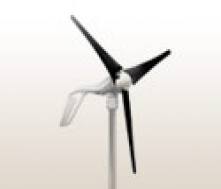
The wind does not blow on a schedule. It surges on a cold January night, then drops by the time you reach for the kettle at breakfast. That gap, between the moment power gets made and the moment you actually need it, sits at the heart of every setup of wind turbines in Canada. A property near North Bay feels it is sharper than most. Winter here brings the strongest wind and the heaviest demand on the same day. Now picture the grid going dark during a February storm. A turbine spinning in your yard cannot promise to fill that silence on its own. Here is why.
What A Home Battery In North Bay Actually Does
A battery in North Bay holds the power your turbine makes when nobody is using it. Late at night, when output runs high and the house is asleep, that energy would otherwise vanish into nothing. The battery catches it and hands it back when you flip a switch hours later.
There is a second reason, and it matters more during a storm. A grid-tied system with no storage shuts off the instant the grid fails, for the safety of line crews working the poles. So your lights die even though your turbine still spins. A battery breaks that link and keeps the core of your home alive.
How Wind Turbines In Canada Behave Through The Seasons
Wind turbines in Canada rarely run flat out. Most sites sit at a capacity factor near 30 to 40 percent, which means the machine sends out only a third or so of its rated power across a full year.
Turbines also need the right breeze. Most start generating around 3.5 metres per second and shut down near 25 to protect themselves in a gale. A single machine can swing hard from one hour to the next, while a calm week can leave it nearly idle for days. Output tends to climb through the colder months and often peaks overnight. Your daytime use and your strongest supply do not always line up. That mismatch is the whole problem in one sentence.
Why Storage Closes The Gap For Everyday Homes
A battery sits between the wind and your wall outlet and smooths the swings. It does a few plain jobs:
- Stores power made overnight, so you can spend it during the day.
- Banks a surplus from one windy week for the calm stretch that follows
- Stands ready as backup the moment the grid drops out.
Ontario adds a wrinkle worth knowing. Net metering credits the surplus you push back to the grid, then lets you draw it down later, though those credits expire after twelve months. A credit on paper keeps no lights on during an outage. A charged battery does.
What To Weigh Before You Size A System
Money belongs in this too. The federal Clean Technology Investment Tax Credit covers 30 percent of eligible battery equipment, and Ontario’s Home Renovation Savings Program adds a rebate of 300 dollars per kilowatt hour of storage, up to a set cap. Those figures shorten the payback, though they do not erase the upfront bill.
Final Word
So ask yourself a few honest questions first. How many quiet days do you need to ride out before the wind returns? Which loads have to stay on, and which can wait until morning? Your answers shape the battery far more than the turbine ever will. They also decide whether your home keeps humming when the next storm rolls in.
Featured Image Source: https://bur-oak-resources.ca/websites/bur-oak-resources.ca/images/img_1291144896_15012_1324210138_mod_221_189.jpg
