Getting inked used to come with a quiet expectation that pain was simply part of the deal. That thinking has shifted in recent years. Studios across the country now talk openly about how clients feel during a sitting, and many artists treat comfort as something worth planning for, instead of an ordeal to endure through gritted teeth.
Where Studio Culture Started Putting People First
Comfort Built Into The Booking: Plenty of artists now mention skin prep when a client books in for getting inked. A tattoo cream applied before the needle starts can dull the sharp first pass, which helps nervous first-timers settle. It does not remove every sensation, though it takes the edge off enough that people sit more still and breathe easier.
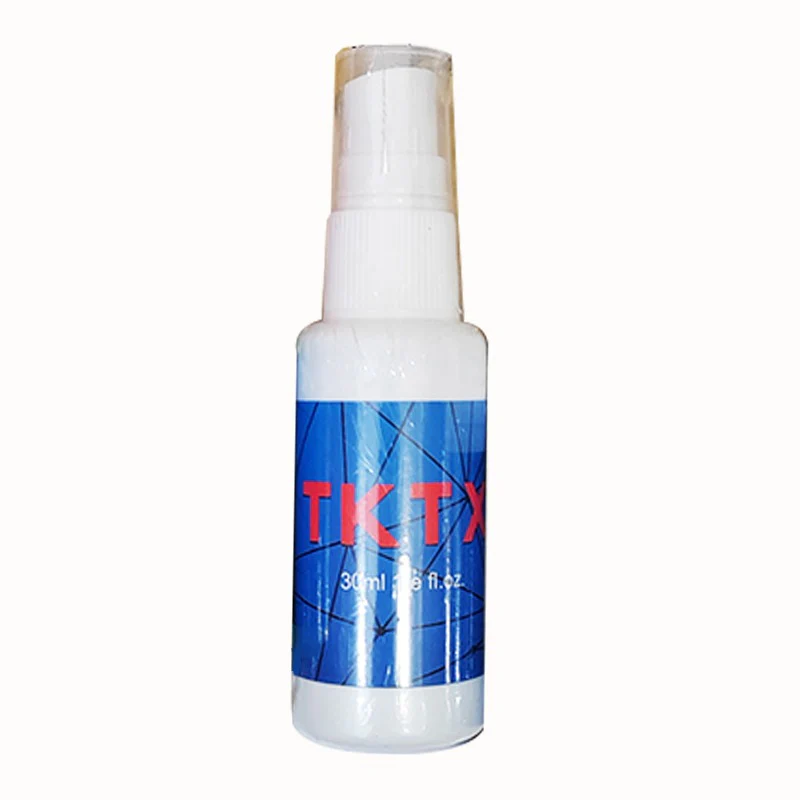
Topping Up Without Stopping: Longer pieces raise a different problem. Once skin is broken, creams cannot always be reapplied easily. This is where a tattoo numbing spray earns its place, since it can be misted onto open, worked skin between passes. Artists tend to like the speed of it, and clients appreciate not having to grit through the back half of a session.
What Happens Once The Spray Goes On
Reading The Active Ingredients: Most of these products lean on a topical anaesthetic such as lidocaine, which works by calming the nerve signals near the surface of the skin. The percentage matters more than people think. Lower strengths suit shorter sittings, while stronger formulas tend to be kept for broad areas or denser shading where the needle covers more ground.
Timing Makes Or Breaks It: Application timing tends to trip people up. Spray on too late and the skin has not settled. Apply far too early and the effect can fade before the work even begins. Following the timing on the label, often a short window before the session, gives the most reliable result for most people.
Patch Testing Is Worth The Wait: Skin reacts differently from one person to the next, so a small test on a discreet patch is sensible before a full application. Any redness, itching or stinging beyond the mild numb feeling is a sign to stop. A quick check the day before a session saves a lot of bother on the day itself.
The Part Most People Forget After The Studio
Healing Starts At The Door: A fresh tattoo is essentially a healing wound, and the skin barrier function stays compromised until the surface knits back together. Aftercare creams support that repair by holding in moisture and shielding the raw area from grime and bacteria. Skipping this step is where a lot of regret tends to creep in later on.
Simple Habits That Protect The Work: Good aftercare does not need to be complicated. A few steady habits across the first couple of weeks tend to do most of the heavy lifting, and they keep colours looking sharp once the skin settles. The basics below cover what matters most for healing without overloading anyone in those early days.
- Wash gently with clean hands and a mild, fragrance-free soap
- Apply a thin layer of aftercare cream, never a thick coat
- Keep the area out of direct sun while it heals
- Avoid pools, baths and heavy sweating for the first week
Walking Out Calmer Than You Walked In
Comfort has quietly become part of what people expect from a good tattoo, and the right products make that expectation realistic. Prep the skin, manage the longer sittings, then look after the work once it is done. Browse the numbing and aftercare range, read the labels closely, and book your next session feeling ready, not anxious.
Featured Image Source: https://www.numbingcream.com.au/cdn/shop/files/IMG-20231201-WA0009_1024x1024@2x.jpg?v=1701460787
