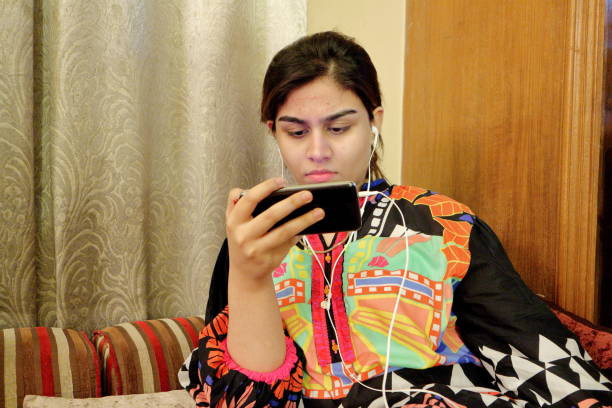
Textbook pages blur together after hours of revision. Students read the same paragraph multiple times, yet the information vanishes when exam papers arrive. Dense paragraphs filled with chemical formulas and biological nomenclature overwhelm the brain’s processing capacity. This repetitive, passive reading method fails because it engages only visual pathways, leaving auditory and rhythmic memory centres untapped. The result? Exam anxiety increases as retention decreases.
When Melodies Replace Memorisation Struggles
Auditory Patterns Create Neural Shortcuts: NEET revision songs convert complicated reactions and definitions into rhythmic sequences that stick. The brain processes musical patterns through different pathways than written text, creating multiple memory anchors for the same information. When students hear photosynthesis steps set to melody, their minds store both the scientific content and the rhythmic structure. During exams, humming a few notes triggers complete recall chains that traditional cramming never establishes.
Multi-Sensory Learning Strengthens Retention: NCERT audio books paired with musical revision engage both analytical and creative brain hemispheres together. This dual activation strengthens synaptic connections more effectively than single-mode studying. Students process information through listening, processing rhythms, and connecting melodies to meanings. Each element reinforces the others, building robust memory networks that withstand exam stress and time pressure.
The Neuroscience Behind Rhythm and Recall
Tempo Synchronisation Improves Focus: Research shows rhythmic patterns naturally align with brainwave frequencies, creating optimal learning states. When revision content follows musical beats, students enter focused attention zones without forced concentration. The hippocampus processes these rhythmic information packages more efficiently than random text chunks. Chemical equations become lyrical phrases. Cell division stages transform into verse sequences. Abstract becomes accessible through structured sound patterns.
Repetition Without Boredom: Musical revision allows repeated exposure without mental fatigue. Students tolerate hearing the same song multiple times because melody provides variation that monotonous reading cannot. Each listening session reinforces previous learning layers, gradually cementing facts into long-term memory storage. The emotional engagement that music creates also triggers stronger memory formation than neutral textbook reading ever achieves.
Practical Application Beyond Traditional Study Sessions
Flexible Learning Opportunities: Songs enable revision during commutes, morning routines, or quick breaks between subjects. Students no longer need desk time and notebooks for productive studying. Walking to coaching classes becomes revision time. Travelling to school transforms into learning sessions. This flexibility particularly benefits students managing multiple subjects and tight schedules.
Strategic Revision Techniques Include:
- Playing topic-specific songs before sleep for subconscious processing
- Using short musical breaks between written practice sessions to refresh focus
- Creating exam-day playlists for quick concept reviews during waiting periods
- Pairing visual flashcards with corresponding audio tracks for reinforced learning
- Listening at 1.25x speed for active recall testing before examinations
Stress Reduction Through Musical Engagement: Exam preparation often creates overwhelming pressure. Musical learning methods introduce enjoyment into revision routines, reducing cortisol levels whilst maintaining productivity. Students approach difficult chapters with less resistance when melodies make complex content approachable. This psychological shift transforms revision from dreaded obligation into engaging activity.
Achieving Mastery Through Sound
Stop fighting your textbooks. Start working with how your brain naturally learns. Musical revision isn’t distraction; it’s optimisation. Convert your weakest subjects into your strongest performances. Download audio-based study materials today and experience retention rates that traditional methods cannot match.
Featured Image Source: https://media.gettyimages.com/id/1139782302/photo/a-teenager-girl-using-mobile-phone-with-headphones-on-in-a-room.jpg?s=612×612&w=0&k=20&c=MJapTzWUPdgi0tJ0a_AUE5YhSsCd-JdBU0VckTYMXU0=
