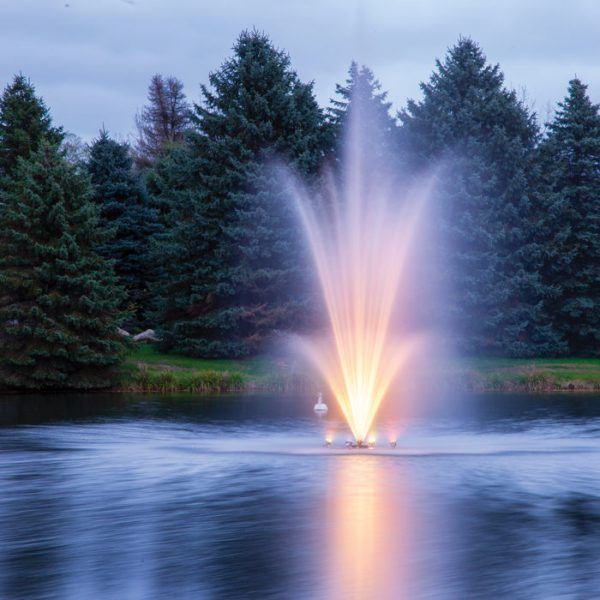
Add lights to your pond fountain pump, and the whole scene changes. Water sparkles. Movement catches the eye. Your backyard becomes a place people actually want to spend time after sunset.
But getting this right takes more than just buying any light kit and calling it done.
Why Lighting Matters More Than You Think
A dark pond at night looks lifeless. Maybe even a bit creepy.
Most people buy a pond fountain pump for daytime appeal. The water moves, fish seem healthier, and guests comment on how nice it looks.
Then night falls, and everything disappears into shadow.
Here’s the thing. You spent good money on that fountain pump. Why let it work only half the day?
Proper fountain lights can extend your enjoyment. It also adds a layer of security. A well-lit water feature means fewer trips and falls near the pond edge. Neighbors can see your yard is active, which tends to keep trouble away.
Plus, let’s be honest. A lit fountain just looks better than a dark hole in your landscape.
Matching Lights to Your Pump Setup
Not all lighting works with every pump type.
Submersible pumps sit underwater, which means you need waterproof LED lights rated for full submersion. Surface pumps give you more flexibility since the lighting can be mounted separately around the fountain head.
Check your pump’s voltage before buying lights. Most fountain pumps run on standard 110V household current, but some smaller units use low-voltage 12V systems. Your lights need to match, or you’ll need a transformer.
Color Choices That Actually Work
White LEDs seem like the safe pick. They are, sort of.
Cool white gives a clean, modern look. Warm white feels softer and more natural. Both work fine if your goal is simple visibility.
Colored lights create a mood. Blue mimics moonlight and makes water look deeper. Green blends with pond plants and algae without highlighting every imperfection. Amber adds warmth on cooler evenings.
RGB (color-changing) lights sound fun, and they can be. Just don’t expect to use all 16 colors regularly. Most people cycle through three or four favorites and ignore the rest.
One warning about red lights. They attract bugs like nothing else. Skip red unless you enjoy mosquitoes swarming your fountain.
Placement Mistakes People Make
Putting all the lights in one spot creates harsh shadows and uneven illumination.
Spread them around the fountain base instead. Three to four lights positioned at equal intervals give balanced coverage. Aim lights upward through the water column for the best effect.
Avoid placing lights directly under the pump intake. Debris gets stirred up and blocks the beam. Position lights slightly offset from the intake area.
Depth matters too. Lights sitting on the pond bottom can get buried in silt or covered by plant growth. Mounting them on blocks or rocks keeps the beams clear.
Getting the Most From Your Investment
Clean light lenses monthly. Algae and mineral deposits build up fast in pond environments and cut light output by half or more.
Replace LED units every 3-5 years, even if they still work. Light output degrades over time, and newer models use less power while producing brighter beams.
Test your setup before permanently mounting anything. Run the fountain for a few evenings with lights in temporary positions. Move them around until you find what looks best.
Your pond fountain already does the work. Lighting just makes sure people can appreciate it after dark.
Featured Image Source: https://www.fountaintechpumps.com/wp-content/uploads/2022/11/lightedAmherst-Three-Tier-3HP2-11-08-18-700×700-1-600×600.jpg
