Most people walk into a tattoo studio carrying more anxiety than they expected. The buzz of the machine hits before you even find a seat — low, constant, somewhere in the back. Weeks go into picking the design. Roughly two minutes go into thinking about how the skin will actually handle it. That’s the part that catches people off guard, more than anything else does.
Pain Is Real, but It Doesn’t Have to Run the Show
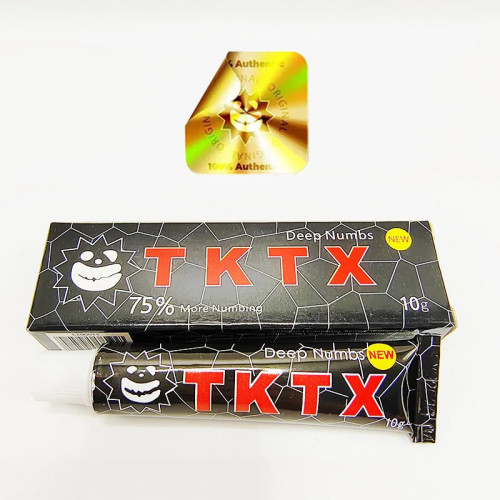
Skin Prep That Actually Works: Getting TKTX numbing cream on the area a good 45 minutes early — not in the car on the way there — gives it time to actually absorb. The skin quiets down. You stop bracing for every pass. It won’t block everything, sure, but it shifts the session from something you’re just surviving to something you can stay present through in a controlled fashion.
Myths That Keep First-Timers Underprepared: A lot of people still believe numbing products mess with the ink or confuse the artist. They don’t. Topical anaesthetics work on the surface layer of skin, not beneath where the ink actually sits. The myth sticks around though, and because of it, plenty of people skip prep entirely and white-knuckle through a session they didn’t have to.
What You Bring Into That Studio Matters
Communication That Changes How the Session Feels: Tell your artist what you’ve applied before sitting down. Tell them which spots feel sharper. Artists can adjust pressure, pacing, and placement — but only if they know what’s going on. Most appreciate it, actually. Walking in prepared and communicative lands differently than walking in silent and tense.
The Bag You Pack the Night Before:
- A proper meal beforehand, not a snack — low blood sugar mid-session hits harder than the needle sometimes
- Loose clothing that exposes the area without a struggle, cause you don’t want to be fussing with fabric while someone’s working on you
- Headphones with something queued up — music, a podcast, anything that keeps your head somewhere else
- Water, cause hydration affects how your skin responds more than most people expect going in
Staying Loose When Your Body Wants to Lock Up: Tension tightens the skin. Tight skin makes every pass feel sharper — that’s what causes sessions to feel worse than they are. Breathe slowly and let the body do less work. Shallow breaths, a locked jaw, shoulders pulled up near your ears — your artist feels that tension through the skin, and it doesn’t make their job any easier.
Healing Is Where the Real Work Starts
The Window Right After Your Session: The skin barrier is open and absorbing in those first 48 hours. What you put on it and what you expose it to in that window sets the tone for how well it heals. The sun fades colour fast. Soaking pulls at the wrong stuff. Skip moisturising and the texture gets rough and patchy — cause the skin needs that support more than people realise in those early days.
A Routine That Doesn’t Take Much: Wash it gently twice a day, pat it dry, put a plain unscented moisturiser on it. That’s really most of it. Keep the area dry between those times, stay out of pools, and don’t let a hot shower run directly over fresh ink for long. Most artists give written instructions on the way out. Follow them closer than you think you need to, cause the healing stage is where a lot of people get lazy and regret it.
Carry That Session With You the Right Way
The nerves beforehand, the buzz of the machine, the moment you see it finished and wrapped — first tattoos stick with you. Going in prepared means you actually remember the good parts. If you want your next session to feel manageable from the start, explore numbing options made for tattoo prep and take the guesswork out of it.
Featured Image Source: https://www.numbingcream.com.au/cdn/shop/files/IMG-20231201-WA0007-900x_1024x1024@2x.jpg?v=1705194986
