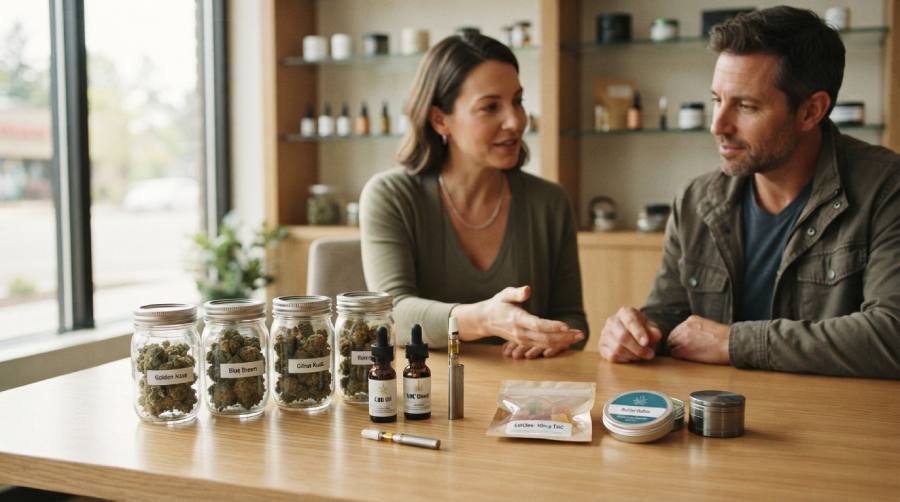
Cannabis, a plant with a rich and complex history, has transitioned from a largely illicit substance to a recognized botanical with diverse applications, particularly in regions where it has been legalized for medical and recreational use. This guide aims to provide an authoritative and comprehensive overview of cannabis, its various forms, the effects it can produce, and crucial considerations for safe and responsible consumption. As the landscape of cannabis continues to evolve, understanding its nuances is paramount for both new and experienced consumers.
What is Cannabis? Defining the Plant and Its Components
Cannabis refers to a genus of flowering plants in the family Cannabaceae, primarily *Cannabis sativa*, *Cannabis indica*, and *Cannabis ruderalis*. While often used interchangeably, the term “marijuana” specifically refers to parts of the *Cannabis sativa* plant that contain substantial amounts of tetrahydrocannabinol (THC), the primary psychoactive compound. Conversely, cannabis plants with very low THC content are typically classified as “industrial hemp.”
The plant contains over 540 chemical substances, with a significant portion being cannabinoids. These unique compounds interact with the body’s endocannabinoid system (ECS), a complex cell-signaling system that plays a role in regulating a wide range of functions and processes, including sleep, mood, appetite, memory, and reproduction.
The two most well-known cannabinoids are:
- Tetrahydrocannabinol (THC): This is the main psychoactive component of cannabis, responsible for the “high” sensation. THC interacts with CB1 receptors in the brain, influencing pleasure, memory, thinking, concentration, movement, and perception.
- Cannabidiol (CBD): Unlike THC, CBD is non-psychoactive. It is often associated with therapeutic benefits, such as reducing anxiety, inflammation, and pain, without inducing intoxication. CBD interacts with both CB1 and CB2 receptors, but its mechanism of action is more indirect than THC’s.
Beyond THC and CBD, over 100 other cannabinoids have been identified, including Cannabigerol (CBG), Cannabinol (CBN), and Tetrahydrocannabivarin (THCV), each with distinct properties and potential effects. Terpenes, aromatic compounds found in many plants, also contribute to cannabis’s unique scent, flavor, and therapeutic profile, often working synergistically with cannabinoids in what is known as the “entourage effect.”
Exploring Cannabis Product Types and Their Effects
The cannabis market offers a wide array of product types, each designed for different consumption methods and desired effects. Understanding these variations is key to making informed choices.
Flower (Bud)
This is the most traditional form of cannabis, consisting of dried and cured buds from the female cannabis plant.
- Consumption Method: Typically smoked (in pipes, bongs, or joints) or vaporized using dry herb vaporizers.
- Onset of Effects: Rapid, usually within minutes.
- Duration of Effects: 1-3 hours.
- Characteristics: Offers the full spectrum of cannabinoids and terpenes, allowing for a comprehensive “entourage effect.” Strain-specific effects (e.g., Sativa-dominant for energizing, Indica-dominant for relaxing) are most pronounced here.
Concentrates
These are highly potent forms of cannabis created by extracting cannabinoids and terpenes from the plant material. Examples include shatter, wax, live resin, oils, and distillates.
- Consumption Method: Dabbed (vaporized using a dab rig), vaped (using specialized concentrate vaporizers), or sometimes added to flower.
- Onset of Effects: Very rapid, almost immediate.
- Duration of Effects: 2-4 hours, often more intense.
- Characteristics: Significantly higher THC content (often 60-90%) compared to flower (typically 15-30%). Offers a more potent experience, requiring careful dosing. For a wide selection of high-quality THC products, including various concentrates, consumers can explore options at 42 Degrees Cannabis Dispensary.
Edibles
Cannabis-infused food and beverage products, such as gummies, chocolates, baked goods, and drinks.
- Consumption Method: Ingested orally.
- Onset of Effects: Delayed, typically 30 minutes to 2 hours, as THC is metabolized by the liver into 11-hydroxy-THC, a more potent compound.
- Duration of Effects: Long-lasting, 4-8 hours or more, depending on dosage and individual metabolism.
- Characteristics: Effects are often described as more intense and body-centric. Precise dosing is crucial due to the delayed onset and prolonged effects.
Topicals
Cannabis-infused balms, lotions, patches, and oils applied directly to the skin.
- Consumption Method: Applied externally.
- Onset of Effects: Localized relief within minutes to an hour.
- Duration of Effects: Varies, often several hours.
- Characteristics: Non-psychoactive, as cannabinoids do not typically enter the bloodstream in significant amounts. Used for localized pain, inflammation, or skin conditions.
Tinctures
Liquid cannabis extracts, usually alcohol- or oil-based, administered sublingually (under the tongue).
- Consumption Method: Dropped under the tongue for sublingual absorption or mixed into food/drinks.
- Onset of Effects: Relatively quick (15-45 minutes) when absorbed sublingually, slower if ingested.
- Duration of Effects: 2-6 hours.
- Characteristics: Offers discreet dosing and allows for titration (adjusting dosage drop by drop).
Vape Products
Pre-filled cartridges or disposable pens containing cannabis oil.
- Consumption Method: Inhaled vapor.
- Onset of Effects: Rapid, within minutes.
- Duration of Effects: 1-3 hours.
- Characteristics: Discreet, convenient, and offers a cleaner alternative to smoking. However, the quality of vape oils and hardware can vary significantly, and consumers should look for products tested for contaminants.
Navigating the Effects of Cannabis: What to Expect
The effects of cannabis are highly individual and can be influenced by numerous factors, including the specific product consumed (THC/CBD ratio, terpene profile), dosage, consumption method, individual tolerance, body chemistry, and even mood and environment.
Common mental and physical effects include:
- Euphoria and Relaxation: Many users report feelings of happiness, contentment, and a sense of calm.
- Altered Perception: Changes in sensory perception, such as enhanced appreciation for music, art, or food, and an altered sense of time.
- Increased Appetite (Munchies): A well-known effect, particularly with THC-dominant products.
- Impaired Coordination and Reaction Time: Cannabis can affect motor skills, making activities like driving unsafe.
- Short-Term Memory Impairment: Difficulty concentrating and recalling recent events.
- Anxiety or Paranoia: While some find cannabis reduces anxiety, others, especially with high THC doses or low tolerance, may experience increased anxiety, paranoia, or even panic attacks.
- Dry Mouth and Red Eyes: Common physical side effects.
- Drowsiness or Increased Energy: Depending on the strain and individual, effects can range from sedation to stimulation.
It’s important to note that the effects can vary significantly between individuals. A dose that is mild for one person could be overwhelming for another. The onset and duration of effects also play a critical role in managing the experience, with edibles, for instance, requiring much more patience and careful dosing due to their delayed and prolonged impact.
Responsible Cannabis Use and Safety Considerations
Responsible cannabis use is paramount to minimizing potential risks and ensuring a positive experience. This involves understanding legal frameworks, practicing safe consumption habits, and being aware of potential health implications.
Legal and Regulatory Compliance
Cannabis laws vary significantly by jurisdiction. In areas like Omaha, where 42 Degrees Cannabis Dispensary operates, understanding local regulations regarding purchase limits, consumption locations, and age restrictions is crucial. Consumers should always purchase from licensed dispensaries to ensure product safety and compliance. For those seeking legal cannabis in their area, verifying local regulations and licensed retailers is the first step.
Dosing and Titration
“Start low and go slow” is the golden rule for cannabis consumption, especially for edibles and concentrates.
- Edibles: Begin with a low dose, typically 2.5-5 mg of THC. Wait at least 1-2 hours before considering consuming more.
- Inhalables (Flower, Vapes, Concentrates): Take one or two small puffs/hits and wait 10-15 minutes to assess effects before consuming more.
- Tinctures: Start with a few drops and gradually increase until desired effects are achieved.
Avoiding Overconsumption
If you feel you’ve consumed too much cannabis, remember that the effects are temporary.
- Stay Calm: Find a quiet, comfortable place.
- Hydrate: Drink water or juice.
- Distract Yourself: Engage in a calming activity like listening to music or watching a show.
- Consider CBD: Some anecdotal evidence suggests CBD can help mitigate the psychoactive effects of THC.
Health and Safety Precautions
- Never Drive Under the Influence: Cannabis impairs judgment and motor skills, making driving extremely dangerous and illegal.
- Keep Out of Reach of Children and Pets: Store cannabis products in child-proof containers and secure locations to prevent accidental ingestion.
- Avoid Mixing with Alcohol or Other Drugs: Combining cannabis with other substances can amplify effects and increase risks.
- Consult a Healthcare Professional: If you have underlying health conditions, are pregnant or breastfeeding, or are taking medications, consult your doctor before using cannabis.
- Be Aware of Potential Side Effects: While generally considered safe, some individuals may experience anxiety, paranoia, or other adverse reactions. Long-term heavy use, especially during adolescence, has been linked to potential impacts on brain development and mental health in some individuals.
Product Quality and Testing
Always purchase cannabis products from licensed dispensaries that provide lab testing results. These tests verify:
- Potency: Accurate THC, CBD, and other cannabinoid levels.
- Purity: Absence of contaminants such as pesticides, heavy metals, mold, and residual solvents.
- Terpene Profile: Information on the aromatic compounds present.
By adhering to these guidelines, consumers can navigate the world of cannabis responsibly, maximizing potential benefits while minimizing risks. The evolving understanding of cannabis underscores the importance of continuous education and informed choices for all users.
