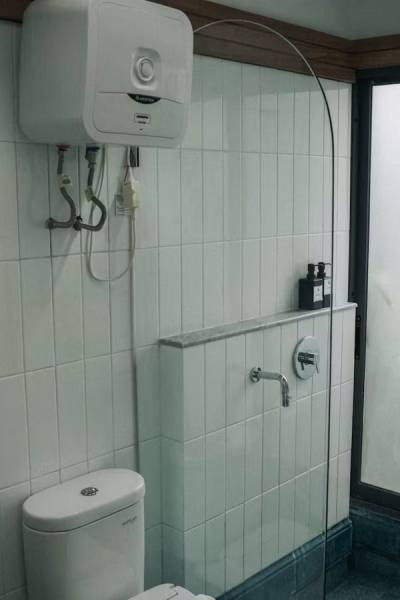
Hot water runs out fast in a busy Phoenix home. Two showers going, a dishwasher mid cycle, and a load of laundry can drain a storage tank before the last person gets in. That pressure has pushed plenty of homeowners to look hard at a tankless water heater and what it really delivers.
Where Household Demand Outpaces a Storage Tank
Daily Usage Adds Up Faster Than Most People Expect: A tankless water heater responds the moment a valve opens up, firing a burner or element and sending heated water straight down the line. Four people showering before work changes the math completely. Household size and timing decide the load, far more than square footage ever does.
Running Out Is What Triggers the Call: Cold showers at the end of a rotation point to capacity, not a broken unit. Once a tank empties it needs thirty to sixty minutes to recover, which nobody wants to wait through. That gap pushes many homeowners toward a water heater replacement instead of another repair.
Two Systems, Two Ways of Producing Heat
On Demand Against Stored and Waiting: Storage tanks hold forty to eighty gallons at temperature around the clock, ready but finite. Tankless units keep nothing in reserve. They heat water as it moves, and the flow rate in gallons per minute sets how many fixtures can run together without a temperature drop.
Standby Loss Against Continuous Supply: A tank reheats itself all day whether anyone is home or not. A tankless water heater sits quiet until something calls for hot water. Homes with heavy, spread-out usage feel that difference far more than a couple who showers once each morning.
Sizing, Fuel, and the Space It All Takes
Gas Lines and Panels Decide a Lot: Gas models want a larger supply line and dedicated venting. Electric versions pull serious amperage and sometimes need panel work before anything gets mounted on the wall. Energy efficiency ratings look strong on paper, though install requirements behind them decide whether a retrofit stays reasonable.
Space Opens Up in a Way Owners Notice: Wall-mounted units free the corner a tank used to own, which matters in a tight garage or a crowded closet. Sizing still comes first. A water heater replacement done without a real demand calculation leaves someone standing in a cooling shower by Tuesday.
What Actually Works in a Valley Home
Hard Water Changes the Math Here: Valley water carries heavy mineral content that scales up a heat exchanger faster than the manufacturer’s schedule assumes. Annual flushing keeps output steady. Skip it for a few years and the unit starts short cycling, throwing lukewarm water at whoever gets in first.
The switch makes practical sense for certain homes more than others:
- Three or more bathrooms in regular daily use
- Older units already past twelve years
- Garages where floor space is at a premium
- Households running showers and appliances at the same hour
- Anyone tired of scheduling around each other
Professional Assessment Beats Guesswork: Highly trained technicians measure incoming groundwater temperature, count fixtures, and check what the gas or electrical service can genuinely carry. That visit answers the question better than any spec sheet. Some homes are a clean fit. Others do far better with a high-recovery tank.
Hot Water That Keeps Up With the House
Demand does not shrink as families grow. Fuel supply, sizing, and water quality all feed a decision meant to last fifteen years or longer, and guessing at it rarely ends well for anyone. Get a highly trained technician on site, get straight answers about your home, and stop rationing hot water.
