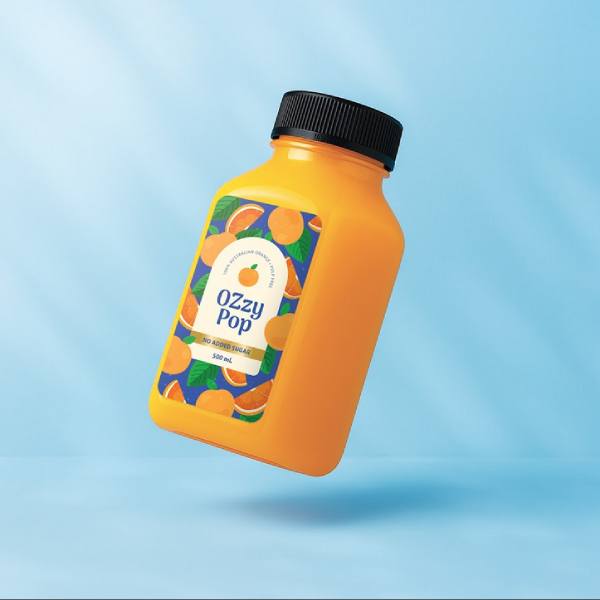
Adelaide has quietly turned into one of the country’s busiest drink-making hubs. Wineries spill out of the Adelaide Hills. Craft breweries keep popping up across the suburbs. Distilleries, kombucha makers, cold brew roasters, the list keeps growing. And every one of them needs a label that survives the fridge, the ice bucket, and the trip home in a hot car. That last part is where a lot of new brands get caught out, which is exactly why sticker printing in Adelaide has become such an active corner of the local supply chain.
Why the Label Matters More Than People Think
Walk into any bottle shop in Adelaide, and you are looking at maybe two hundred drinks competing for the same glance. Shoppers are not reading. They are scanning. The label has roughly three seconds to do its job, perhaps less. That short window is the real reason sticker printing in Adelaide gets so much attention from drink brands. The label is doing the heavy lifting before anyone even reads the name.
A poorly chosen sticker can ruin all of that. Cheap paper labels start curling in the chiller. Ink fades after a week in the sun. Adhesive lifts at the edges, and suddenly the bottle looks tired before anyone has even tasted what is inside.
For a small drink brand, that is not a minor issue. It is the difference between a repeat customer and someone who quietly picks the bottle next to yours.
Sticker Printing in Adelaide: What Actually Matters
When ordering sticker printing for beverage labels, there are a few things worth getting right early.
- Material choice. Synthetic films like polypropylene handle moisture, ice baths, and humidity far better than standard paper.
- Finish. Gloss tends to suit clean, modern drink branding. Matte works well for premium spirits and craft beers going for a more grounded look.
- Adhesive. Wet bottles need a wet-strength adhesive. This is not optional for anything sitting for prolonged periods in ice .
- Print clarity. Small text on ingredient panels and compliance details must stay sharp, even at small sizes.
Paper labels can still work well for boxed gift sets, dry-stored beverages, and some wine bottles, including those occasionally exposed to moisture or ice buckets when the right materials and finishes are used. However, for products regularly exposed to water, condensation, or refrigeration, synthetic labels are often the more durable and reliable option.
The Compliance Side Nobody Loves Talking About
Australian drink labels carry rules. Standard drinks, allergens, country of origin, volume, producer details. The Food Standards Australia New Zealand code spells most of it out, and alcohol carries extra requirements on top.
You do not need to memorise all of it. You do need to make sure your label has space for it without crowding the design. A surprising number of brands realise this only after the first print run, which is a frustrating way to learn.
A Few Last Pointers Worth Keeping
Adelaide drink brands have an advantage that brands in bigger cities sometimes miss. The community here actually pays attention to small producers. People want to support the local cider maker, the suburban distillery, the new gin label out of Port Adelaide.
A good sticker will not save a bad drink. But a bad sticker can absolutely sink a good one. Pick materials that handle moisture, design for shelf scanning, leave room for compliance, and treat the label as part of the product rather than something tacked on at the end.
That mindset shift is usually what separates the brands that grow from the ones that fade after their first hundred bottles.
Featured Image Source: https://drive.google.com/drive/folders/1B-U_4yx5T6zX_mibeEejq5AQkO6O_cJi
