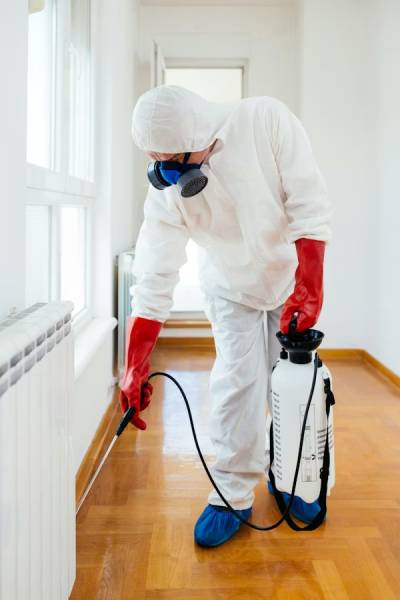
Most businesses only think about pest control after spotting a problem. A cockroach near the kitchen. Rodent droppings by the storage shelf. By that point, the issue is rarely new. It has been building up quietly for weeks, sometimes longer. The gap between a pest-free workplace and a recurring infestation almost always comes down to whether prevention was ever part of the plan.
The Strategy Gap Most Businesses Never Close
Building the Right Foundation: Businesses that maintain consistent results do not rely on one-off visits when problems arise. They invest in pest control services that operate on a scheduled, ongoing basis. Regular inspections, targeted treatments, and documented service reports create a baseline that reactive approaches simply cannot replicate. A single treatment stops what is visible. A structured programme addresses what has not yet been noticed.
Structured Programmes That Hold: The businesses most vulnerable to recurring pest issues are those without a formal plan in place. Commercial pest control programmes are designed for the specific pressures of high-traffic environments, food handling areas, and storage facilities. These are the spaces where pests find the most opportunity, and where consistent monitoring across multiple visits makes the biggest difference to long-term outcomes.
When Monitoring Replaces Guesswork
Reading the Signals Early: One of the most overlooked advantages of preventive programmes is early detection. Trained technicians recognise signs that untrained staff will miss. Integrated Pest Management principles prioritise inspection and monitoring over reactive chemical use, identifying activity before it becomes a full infestation. This approach keeps treatment costs lower and reduces the operational disruption that comes with emergency call-outs.
What a Preventive Shift Looks Like in Practice: Businesses that move away from reactive pest management typically notice consistent improvements across their operations. These outcomes tend to build over time and are easy to track:
- Fewer emergency call-outs and unplanned service disruptions
- Stronger compliance with health and safety regulations
- Reduced stock and product loss linked to pest activity
- Improved staff confidence and customer perception of cleanliness
- Clearer documentation trails for audits and routine inspections
Closing the Window Before Pests Find It: Documentation from scheduled visits builds a picture of pest pressure patterns over time. That data helps identify when and where risk is highest within a facility, allowing for more targeted interventions at the right moments. This is the kind of operational insight a reactive business never develops, because the relationship with a provider only exists at the point of crisis.
The Real Cost of Waiting Too Long
Reactive Cycles Are Expensive: Every time a business responds to an infestation rather than preventing one, costs compound. Emergency treatments carry a higher price tag. Downtime affects staff productivity and service continuity. In food service settings, reputational damage from a single pest sighting can take longer to recover from than the infestation itself. Applying exclusion techniques early, rather than treating after the fact, consistently keeps long-term costs lower.
Why Structural Prevention Matters: Pest control is not only about what happens during a treatment visit. Sealing entry points, managing waste storage, and reducing moisture around building perimeters are structural steps that support every professional treatment applied. When these basics are handled consistently alongside scheduled visits, results last longer and the overall cost of pest management decreases over time.
What Pest-Free Operations Actually Look Like
The businesses that stay ahead of pest problems treat pest management as an ongoing operational priority, not a crisis response. Working with experienced pest professionals on a structured programme means issues are caught earlier, costs remain predictable, and workplaces stay safe and compliant all year. Call 0800 326 726 to find out what a consistent pest management programme looks like for your business.
Featured Image Source: https://plus.unsplash.com/premium_photo-1661306479139-2ba81f1a5cd6?w=600&auto=format&fit=crop&q=60&ixlib=rb-4.1.0&ixid=M3wxMjA3fDB8MHxzZWFyY2h8MXx8cGVzdCUyMGNvbnRyb2wlMjBzZXJ2aWNlc3xlbnwwfHwwfHx8MA%3D%3D
